What is a Beginner 3D Printer and How to Choose the Right One?
The world of 3D printing has grown rapidly in recent years. According to a report by Statista, the global 3D printing market is expected to reach $34.8 billion by 2024. This surge in demand creates an opportunity for newcomers to explore the field of 3D printing. A "Beginner 3D Printer" is designed specifically for those new to the technology, offering user-friendly features and simplified setups.
Experts emphasize the importance of choosing the right model. James Hsu, a 3D printing consultant, says, "A beginner should focus on usability and customer support." With various options available, it can be daunting for beginners to select a suitable printer. This segment of the market is cluttered with choices, which can lead to confusion and poor decisions.
Choosing the correct beginner model can impact your experience significantly. Without proper guidance, some may end up with overly complex machines or ones that are difficult to troubleshoot. In such a rapidly evolving field, it’s crucial for beginners to engage with communities and understand their specific needs and limitations.
Understanding the Basics of Beginner 3D Printers
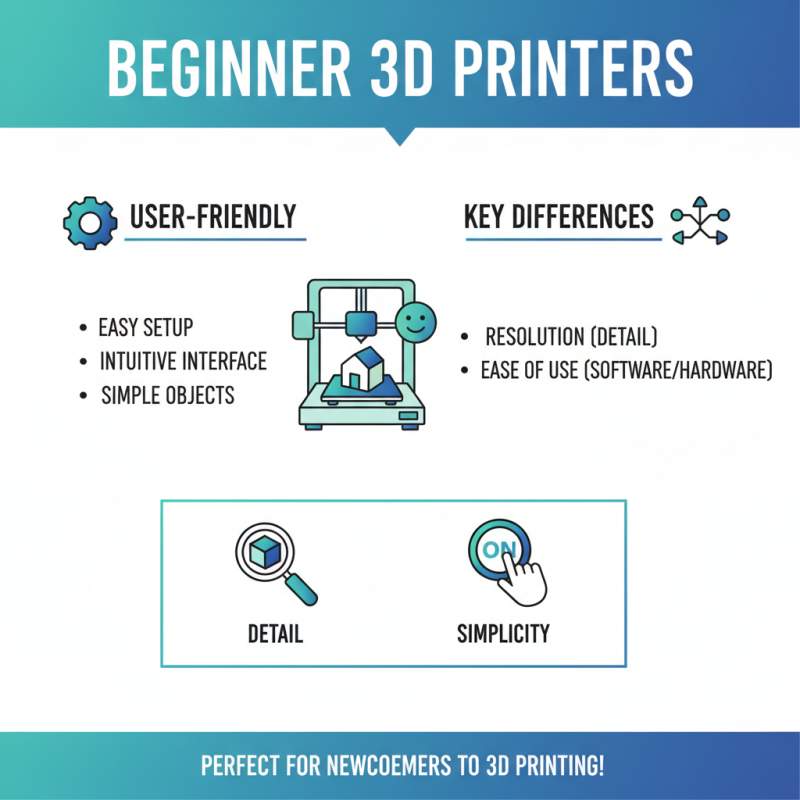
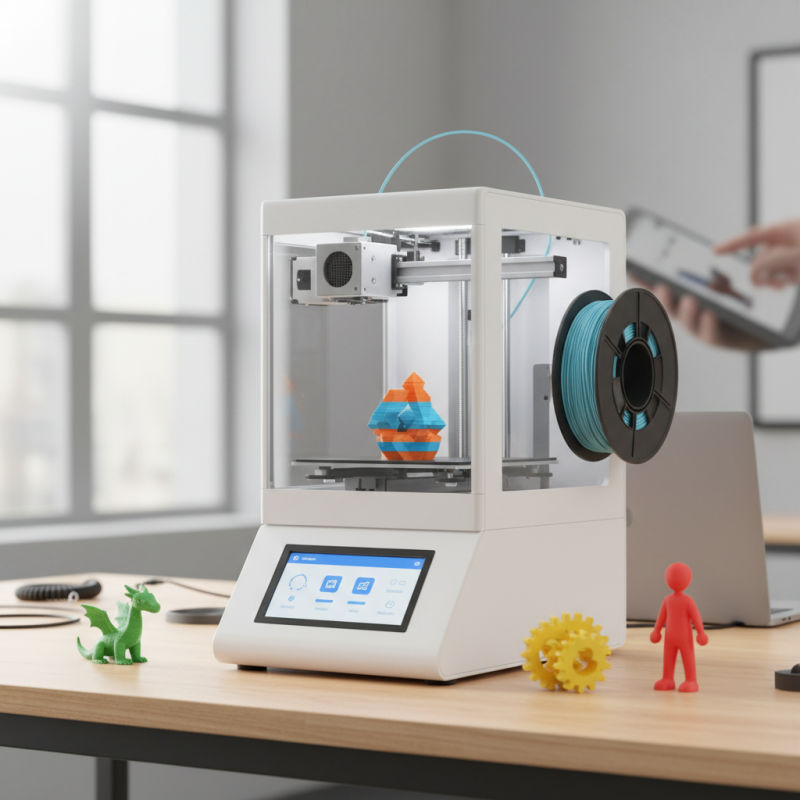
Beginner 3D printers are designed for those new to the world of 3D printing. These machines are user-friendly and often feature intuitive interfaces. They can create simple objects, which makes them perfect for beginners. However, not all beginner printers are equal. Some offer better resolutions, while others focus on ease of use.
When choosing a 3D printer, consider the types of projects you want to tackle. Are you looking to create detailed designs or just basic shapes? The printing technology plays a crucial role here. FDM printers are common for novices and typically use filament. Meanwhile, resin printers offer finer details but can be messier and more complicated to manage. This can be overwhelming for some users.
Materials also matter. Filaments come in various types, each with unique properties. Some are easier to work with, while others may require more skill. A common struggle is understanding temperature settings and print speeds. These factors can significantly affect print quality. New users might find it frustrating to achieve the expected results. Experimentation is key here, and learning from failures is part of the journey.
Key Features to Look for in a Beginner 3D Printer
Choosing the right beginner 3D printer involves understanding key features. Look for printer size. A compact model is often more manageable. Consider the build volume. It should be adequate for your projects.
Another crucial aspect is printer type. FDM (Fused Deposition Modeling) is user-friendly. It’s typically found in entry-level devices. Make sure the printer has a heated bed. This feature helps with adhesive and reduces warping in prints.
Check for ease of use. A simple interface is beneficial for newcomers. Look for printers with clear instructions. It’s frustrating when the setup is complicated. Lastly, consider material compatibility. Choose a printer that can handle various filament types. This ensures flexibility in your projects.
Types of 3D Printing Technologies Suitable for Beginners
When starting with 3D printing, choosing the right technology is key. Fused Deposition Modeling (FDM) is popular for beginners. It works by melting plastic filament. This method is user-friendly and offers decent quality. It’s perfect for creating prototypes. Yet, FDM can have issues like layer separation. You might need to refine your settings for better results.
Another option is Stereolithography (SLA). This method uses liquid resin and a UV light to build up layers. While SLA can provide finer details, it requires careful handling of resin. The post-processing can be messy, demanding patience from users. Beginners need to be ready to navigate these challenges.
Selective Laser Sintering (SLS) is also worth considering. This technology uses laser to fuse powder materials. It’s less common among beginners, but it offers robust parts. However, the equipment can be expensive. This makes SLS less accessible for those just starting out. It’s crucial to weigh your options carefully before making a decision.
What is a Beginner 3D Printer and How to Choose the Right One? - Types of 3D Printing Technologies Suitable for Beginners
| 3D Printing Technology |
Material Compatibility |
Ease of Use |
Typical Applications |
| FDM (Fused Deposition Modeling) |
PLA, ABS, PETG |
Very Easy |
Prototyping, Hobbyist projects |
| SLA (Stereolithography) |
Resins |
Moderate |
Detailed models, Jewelry making |
| SLS (Selective Laser Sintering) |
Nylon, TPU |
Difficult |
Functional parts, End-use products |
| DLP (Digital Light Processing) |
Resins |
Moderate |
Miniatures, Dental models |
Evaluating Budget Options for Entry-Level 3D Printers
When considering entry-level 3D printers, budget options are critical. Many beginners may assume that low-cost printers compromise quality. However, this is not always the case. Affordable models can produce decent prints. They are perfect for learning and experimenting. Focus on features like build size, reliability, and ease of use.
Look for printers in the $200 to $500 range. They often include basic functionalities that suit beginners. Features such as heated beds and user-friendly software enhance the printing experience. However, some inexpensive options may have limitations. Print speed might be slow, and materials could be restricted. Researching reviews can help clarify these points.
Choosing the right budget printer requires reflection on your needs. Ask yourself what projects you want to create. Can you tolerate some trial and error? Some printers take time to master. It’s essential to accept that initial prints may not be perfect. Finding the right balance between quality and cost is key for new users.
Beginner 3D Printer Price Comparison
Essential Accessories and Software for New 3D Printer Owners
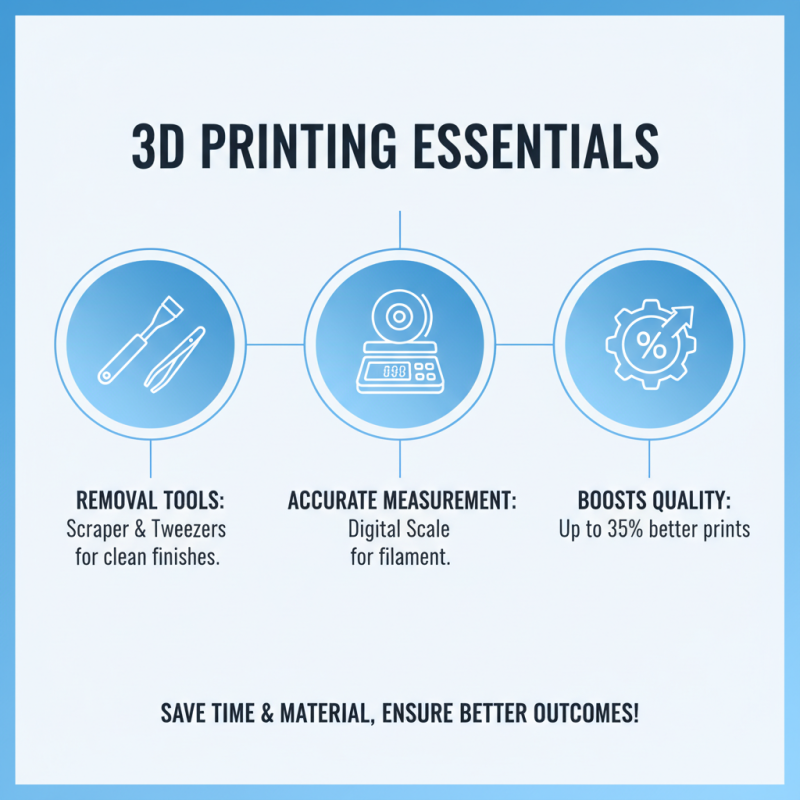
When starting with 3D printing, having the right accessories can significantly enhance the experience. Essential tools include a scraper for removing prints and a good pair of tweezers for detailed work. A reliable digital scale helps in measuring filaments accurately. According to industry statistics, 3D printer accessories boost print quality by 35%. This can save materials and time while ensuring better outcomes.
Software is another critical component. Beginner-friendly slicers simplify the process of preparing models for printing. Some software allows for troubleshooting and optimizing settings visually, which can be less overwhelming for newbies. A recent report highlighted that users who employ advanced software see a 50% reduction in errors during printing. Familiarizing yourself with the software can improve learning curves.
Tips: Always calibrate your printer regularly. This ensures accuracy and reliability. Experiment with different print settings, as this trial-and-error process is essential. It's okay to face challenges; learning from mistakes is vital. Remember, not every print will be perfect. Embrace imperfections and continually adjust your techniques.