
Top X Ray Security Scanner Manufacturers in China
Choosing an X Ray Security Scanner manufacturer in China is not only a matter of comparing prices. Buyers also need to assess image clarity, tunnel dimensions, throughput, operator controls, and service support. A unit installed at a busy reception desk faces different demands from one used at a logistics hub. Small details matter. A clear interface, stable conveyor, and accessible maintenance points can affect daily operation more than a polished brochure suggests. This guide introduces notable manufacturers and outlines practical factors for comparing their products. It focuses on equipment capabilities, documented quality systems, customization options, and after-sales arrangements. Verify claims against current product documents and customer references.
China’s market includes established exporters and specialized producers, but company size alone does not prove reliability. Buyers should confirm model specifications, test procedures, warranty terms, spare-parts availability, and training scope directly with each supplier. Ask for recent documentation, not just a sales presentation. Where certifications or compliance statements are relevant, verify their validity and exact product coverage with the issuing organization or an independent professional. Requirements vary by destination and installation, so this overview is not a substitute for a qualified technical review. No manufacturer is best for every project. That is worth remembering. Some comparisons remain imperfect because public information can be incomplete or updated without notice. Use the shortlist as a starting point, then match each scanner to site conditions, expected use, and support needs.
How X-Ray Security Scanners Work and Where They Are Used
Top X Ray Security Scanner Manufacturers in China
How X-Ray Security Scanners Work and Where They Are Used
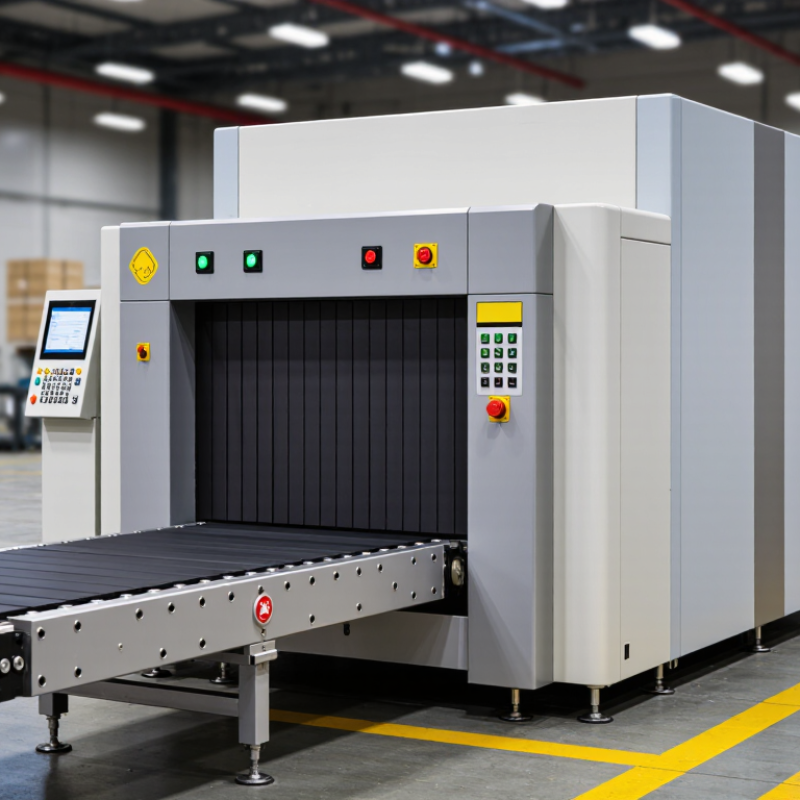
An X-ray security scanner sends controlled X-ray energy through a bag, parcel, or other item. A conveyor carries the item past the imaging area. Detectors measure how much energy passes through, and software turns those readings into an image. Dense materials often appear differently from lighter ones. Dual-energy systems can help distinguish broad material categories, but they do not identify every object with certainty. It is not magic. Image quality varies with item placement, overlapping contents, and equipment settings.
These scanners are commonly used to screen luggage and parcels in transport hubs, public venues, and logistics facilities. They can also support inspections of packages entering workplaces or industrial sites. Staff review the image and follow the facility’s screening procedures when details are unclear. A tidy image may still hide useful context; interpreting it takes training and care. The scanner supports a process, rather than replacing human judgment.
Tips: Keep items spaced apart on the belt, and avoid stacking bags when possible. Follow posted instructions, and ask staff if an image needs another review. Regular maintenance and operator training help keep results consistent.
China’s X-Ray Security Scanner Manufacturing Landscape
Top X Ray Security Scanner Manufacturers in China
China’s X-Ray Security Scanner Manufacturing Landscape
China’s manufacturing landscape includes equipment makers, component suppliers, software teams, and system integrators. Their work may cover detector selection, image processing, conveyor design, assembly, and final inspection. Capabilities vary, so buyers should assess each supplier’s actual production process rather than rely on broad claims. A factory visit can reveal practical details, such as how technicians check belt alignment or record calibration results. Small details matter.
Manufacturers also differ in engineering depth and after-sales support. Some focus on standard configurations, while others handle site-specific layouts and integration. Ask how performance is verified, what acceptance tests are documented, and how spare parts are managed. Clear answers are useful evidence. However, a polished demonstration is not the same as consistent performance across long shifts. That assumption deserves a second look. Independent technical review may help clarify gaps, especially when published specifications omit operating conditions.
Tips: Request a sample inspection report and a written service plan. Confirm the test setup, delivery scope, and training arrangements before comparing quotations. Look for measurable details, not just reassuring language. Calibration deserves attention, too. Teams sometimes overlook it.
Profiles of Leading X-Ray Security Scanner Manufacturers in China
China’s X-ray security scanner manufacturers vary in scale, product focus, and engineering depth. Some concentrate on compact units for reception areas, while others build larger conveyor systems for busy transport and logistics sites. A useful profile looks beyond catalog images. It examines production capacity, component sourcing, software development, and the support available after installation.
Leading manufacturers typically offer several tunnel sizes and configurable conveyor speeds. Buyers can ask how suppliers test image clarity, material distinction, and system stability under continuous operation. Requesting sample inspection images and factory acceptance records can make comparisons more concrete. Details matter. A polished brochure alone cannot show how a machine performs during a full shift.
Service capability also shapes a manufacturer’s profile. Check whether technicians provide installation guidance, operator training, spare-parts planning, and clear response times. Ask for the warranty scope in writing. Smaller suppliers may offer flexible customization, but their documentation or overseas service networks can be less mature. That is not always a deal-breaker; it is a point worth examining. A careful assessment connects each supplier’s proven strengths with the site’s actual space, throughput, and maintenance needs.
Top X-Ray Security Scanner Manufacturers in China – Profiles of Leading X-Ray Security Scanner Manufacturers in China
This table presents anonymized manufacturer profile archetypes based on common X-ray security screening product categories. It does not identify or rank individual companies, and the profiles should not be interpreted as claims about specific manufacturers.
| Anonymous Profile Archetype | Typical Product Focus | Common Screening Environment | Relevant Technical Considerations | Buyer Verification Points |
|---|---|---|---|---|
| Cabinet-system specialist | Conveyor-based X-ray systems for bags, parcels, and personal items. | Transport hubs, public venues, office entrances, and parcel-screening areas. | Conveyor opening size, belt speed, image resolution, material discrimination, and operator workflow are key model-level specifications. | Request the exact model’s datasheet, applicable test reports, radiation-safety documentation, installation requirements, and service terms. |
| Large-parcel screening provider | Systems designed for larger or heavier packages than standard cabin baggage units. | Logistics facilities, freight areas, and sites handling bulky consignments. | Check tunnel dimensions, maximum conveyor load, package throughput, and whether the system supports the intended item sizes. | Confirm the rated load and usable tunnel dimensions for the proposed configuration; do not infer them from the product category. |
| Computed-tomography (CT) system provider | CT-based screening equipment that produces cross-sectional or volumetric image information. | Applications where three-dimensional review or automated image analysis is part of the screening workflow. | CT capability, reconstruction and review workflow, alarm handling, and integration with site procedures should be evaluated for the specific model. | Ask for model-specific performance test results and confirm that the system’s approved use matches the intended screening task. |
| Mobile or vehicle-inspection system provider | Mobile, relocatable, or vehicle-oriented X-ray inspection configurations. | Border, cargo, vehicle, or temporary inspection locations, depending on system design. | System configuration, site footprint, power supply, operating conditions, and inspection workflow vary substantially by equipment type. | Verify the intended inspection target, operating and transport requirements, local approvals, and site-specific safety controls. |
| Integrated screening-solution provider | Equipment combined with image-management software, access-control interfaces, or inspection-lane components. | Sites that need screening equipment to work within a wider security or facility-management process. | Compatibility, data handling, network requirements, user permissions, and system availability depend on the supplied configuration. | Request an integration scope, interface specifications, cybersecurity documentation, training plan, and written support arrangements. |
Standards note: GB 15208.1-2018 is China’s general technical-requirements standard for X-ray security inspection systems. Confirm the applicable standard, edition, certification, and test evidence for each specific product and intended use.
Scanner Types, Detection Features, and Industry Applications
X-ray security scanners serve different inspection settings, so Chinese manufacturers commonly offer several equipment formats. Cabinet scanners suit bags and parcels at building entrances, while conveyor systems support steady flows in transport hubs and distribution centers. Larger tunnel units can handle bulky cartons or production batches. The right choice depends on item size, daily volume, available floor space, and how quickly operators need to review images.
Detection features shape the scanner’s practical value. Dual-energy imaging can help distinguish materials by their relative density, while image enhancement tools make edges and overlapping objects easier to inspect. Automatic alerts can draw attention to selected image patterns, but they should support—not replace—trained human review. Details matter. A clean image is not always an easy image to interpret, especially when objects overlap or packaging varies.
Applications range from baggage screening in public venues to parcel checks in warehouses and quality inspections on factory lines. Buyers should compare tunnel dimensions, conveyor speed, image display quality, shielding design, and maintenance access. Ask how the system performs with real items from the intended workflow, not just sample images. That practical test is easy to overlook. It can reveal awkward loading heights, unclear controls, or bottlenecks before installation.
How to Compare Manufacturers by Performance, Certification, and Support
When comparing Chinese X-ray security scanner manufacturers, look beyond advertised image quality. ACI World’s 2024 airport traffic report estimated about 9.5 billion passenger journeys worldwide, making throughput and equipment uptime practical purchasing concerns. Ask each supplier to demonstrate conveyor speed, image consistency, and restart time under the same test conditions. Brochures are not proof.
Check certificates by scope, issuing body, and model number. IEC 62463 addresses radiation protection for X-ray security screening systems; request the relevant test reports and measured leakage results for the exact configuration offered. For performance trials, agree on test objects and image-quality criteria in advance. Compare results side by side. A fast belt is not useful if operators cannot interpret images reliably.
Support deserves equal scrutiny. Request written response times, spare-parts lead times, operator training plans, and software-update procedures. Ask for references from installations with similar daily workloads, then verify maintenance records where possible. A factory acceptance test is useful, but it cannot reproduce every site condition. I would still allow for surprises. Dust, heat, and inconsistent power can expose weaknesses that a clean showroom hides.
Top X-Ray Security Scanner Manufacturers in China: How to Compare Performance, Certification, and Support
Suggested evaluation weights for comparing manufacturers. The percentages are a selection framework, not market statistics or ratings of specific companies.
How to use it: Assess performance using documented image-quality and throughput test results; check applicable certifications, test reports, and destination-market requirements; and compare warranty terms, spare-parts availability, training, and service response commitments. Request evidence for each assessment rather than relying on brochure claims.