What is a Damper Actuator and How Does it Work?
A Damper Actuator plays a crucial role in controlling airflow in HVAC systems. It is a device that adjusts the position of dampers. These dampers regulate air movement within heating, ventilation, and air conditioning systems. When installed correctly, a damper actuator increases efficiency and comfort in indoor environments.
Understanding how a damper actuator works is essential. The actuator receives signals from a control system. It translates these signals into physical movement, adjusting damper positions as needed. This process ensures optimal airflow and temperature control. However, not all installations are perfect. Sometimes, actuators malfunction or become miscalibrated.
Issues with damper actuators can lead to uneven temperatures in buildings. They may restrict airflow or fail to open altogether. Regular maintenance and checks are necessary to catch these problems early. Acknowledging these imperfections can lead to improved HVAC performance and energy savings. Understanding the damper actuator is the first step.
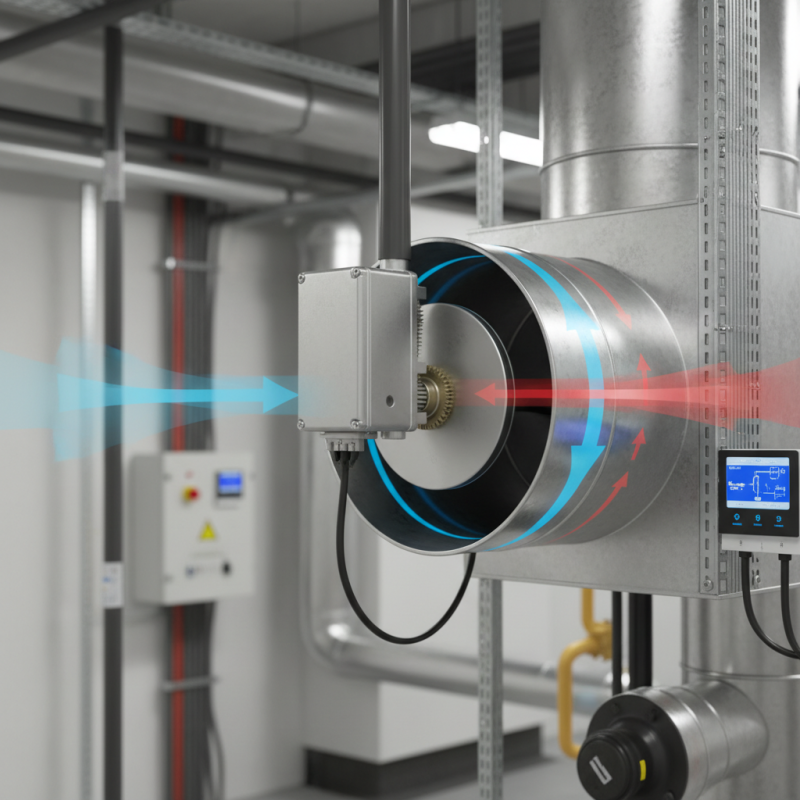
What is a Damper Actuator?
A damper actuator is a crucial component in HVAC systems. It controls the airflow in ducts. By adjusting dampers, it regulates heating and cooling. This mechanism ensures the efficiency of these systems. Effective airflow management can reduce energy consumption by up to 30% in commercial buildings, according to industry reports.
These actuators operate through various mechanisms. Some use electric motors, while others rely on pneumatic systems. The choice of actuator can depend on the specific application and the required response time. For instance, electric dampers provide precise control. However, they can be susceptible to failure due to power outages. Pneumatic actuators, on the other hand, may suffer from air pressure inconsistencies.
Regular maintenance of damper actuators is often overlooked. Without it, the entire system may underperform. Issues like improper calibration can lead to uneven temperature distribution. This affects comfort and efficiency. It's essential for facility managers to understand these components. Ignoring them may result in larger operational costs down the line. Understanding the roles and functions can lead to better decision-making.
The Functionality of a Damper Actuator
A damper actuator plays a vital role in various HVAC systems and industrial applications. Its primary function is to regulate airflow and maintain optimal temperature control. According to the American Society of Heating, Refrigerating and Air-Conditioning Engineers (ASHRAE), about 40% of energy consumption in buildings comes from HVAC systems, making the efficiency of components like damper actuators crucial.
These actuators come in multiple types, including electric, pneumatic, and hydraulic. They work by adjusting the position of dampers based on the system's requirements. For instance, a study by the U.S. Department of Energy found that properly functioning damper actuators can improve energy efficiency by up to 25%. However, frequent calibration is necessary. An actuator that fails to respond can lead to airflow imbalance and increased operational costs.
Some challenges persist in using damper actuators. Over time, mechanical wear can impact performance. Moreover, improper installation can lead to inefficiencies. Many systems lack real-time monitoring, causing delays in addressing issues. Industry reports suggest that maintenance can often be overlooked, leading to escalated problems. Ensuring regular checks can help mitigate these risks and maintain system integrity.
Types of Damper Actuators and Their Applications
Damper actuators play a crucial role in temperature and ventilation control systems. They adjust the flow of air in various applications, ensuring efficiency and comfort. According to a report by the U.S. Department of Energy, proper use of damper actuators can improve HVAC systems’ efficiency by up to 30%. This is significant, considering energy consumption costs in commercial buildings can exceed $100 billion annually.
There are several types of damper actuators. Electric actuators are popular for their precision in control. They are widely used in industrial environments where accuracy is critical. Pneumatic actuators, on the other hand, utilize air pressure. They are often found in large-scale facilities but can be less reliable over time. A study by the American Society of Heating, Refrigerating, and Air-Conditioning Engineers (ASHRAE) noted that improper installation of these systems often leads to performance issues. Many operators overlook the need for regular maintenance, leading to decreased insulation performance.
Hydraulic actuators serve specific purposes. These are effective in large damper systems where high torque is necessary. However, their complexity can result in higher installation costs and maintenance challenges. Not all facilities can justify these costs, especially in smaller operations. As industries evolve, the need for sustainable, efficient solutions becomes more pressing. Understanding the different actuator types is essential for making informed decisions about system design and energy savings.
The Working Principle of a Damper Actuator
A damper actuator is a crucial component in heating, ventilation, and air conditioning systems. Its primary function is to regulate airflow by controlling the position of dampers. These devices can open or close in response to temperature changes, ensuring spaces remain comfortable. Understanding how they work can enhance efficiency and indoor air quality.
The working principle of a damper actuator involves electrical signals and mechanical movements. When the system detects a change in temperature, it sends a signal to the actuator. The actuator then adjusts the damper’s position. This mechanism is often a simple motor that rotates or slides to either allow or restrict airflow. The simplicity of this design can be both a strength and a weakness, as mechanical wear can lead to inefficiencies.
Many factors affect the actuator's performance. Improper calibration can result in insufficient airflow, leading to discomfort. Additionally, dust and debris can hinder movement, causing delays in response time. Regular checks and maintenance are crucial to avoid these issues. A well-functioning damper actuator contributes to a balanced environment. However, neglecting it can compromise the entire system.
Maintenance and Troubleshooting for Damper Actuators
Damper actuators play a crucial role in HVAC systems. They control airflow by adjusting dampers. Regular maintenance is essential to prevent system failures. Many facilities overlook this. According to a recent industry report, improper maintenance can lead to a 25% reduction in efficiency.
When troubleshooting damper actuators, start with visual inspections. Check for signs of wear or misalignment. Lubrication is often neglected, yet it is vital. Dry components can lead to increased friction. This, in turn, affects actuator responsiveness. Frequent noise can indicate issues as well.
Keep in mind, actuator calibration must be checked periodically. A miscalibrated unit can waste energy. It may open or close at incorrect times. This can disrupt temperature control. Regular audits can enhance performance. A proactive approach saves costs over time.