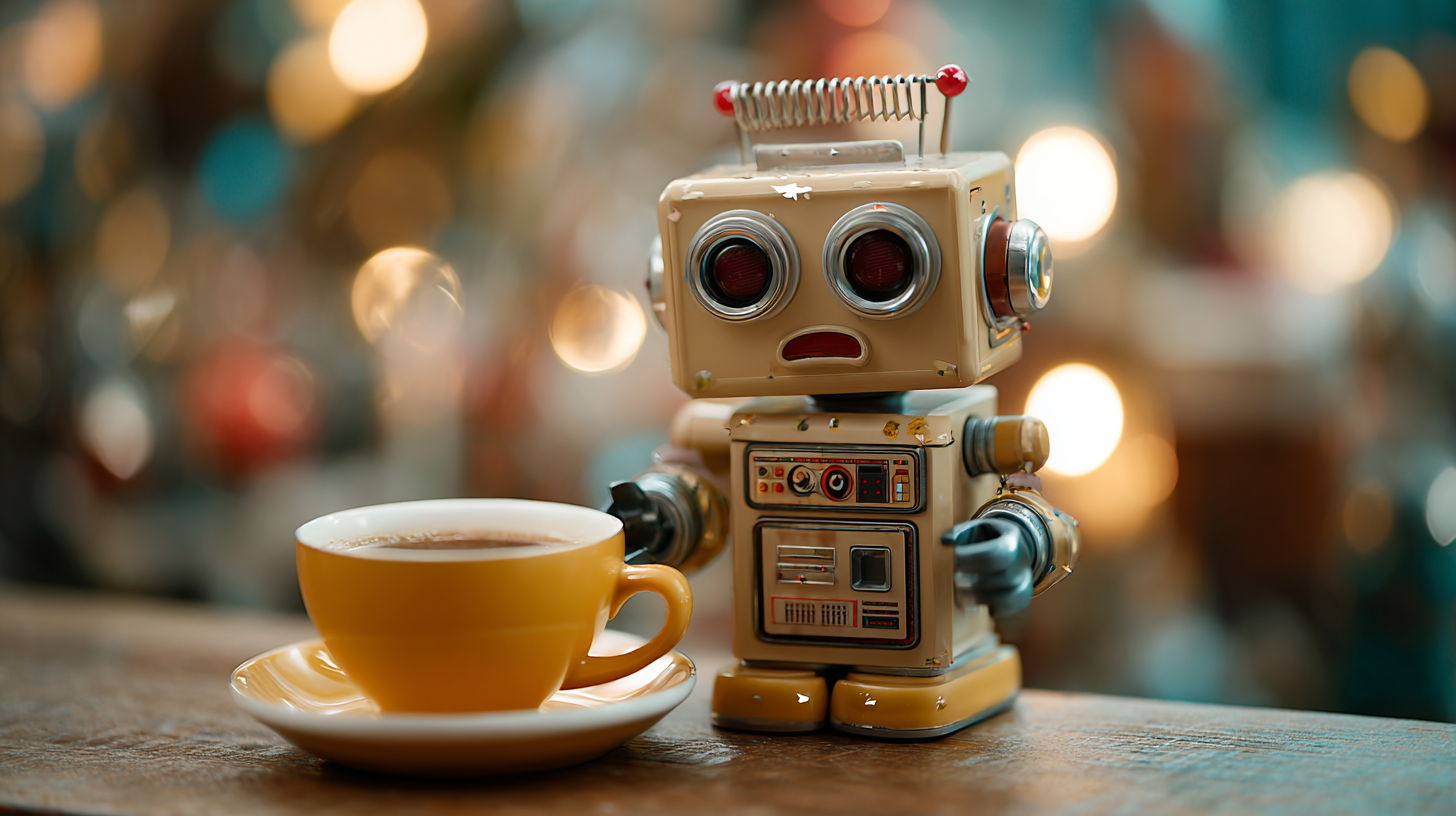
The Fascinating Science Behind Coffee Robots and Their Impact on Your Daily Brew
In the ever-evolving landscape of technology, few innovations have captivated coffee enthusiasts quite like the Coffee Robot. These machines are not just regular coffee makers; they are intricately designed systems that blend automation with the art of brewing to deliver a unique coffee experience. As we delve into the fascinating science behind Coffee Robots, we uncover how they are revolutionizing our daily brews, offering unmatched precision and consistency.
These robotic marvels utilize advanced algorithms and sensors to replicate the meticulous brewing methods traditionally employed by skilled baristas. By analyzing variables such as water temperature, brewing time, and coffee grind size, Coffee Robots can craft a perfect cup tailored to individual preferences. This harmony of technology and coffee craftsmanship not only elevates the quality of our favorite beverages but also redefines our interactions with coffee each day.
As we explore the impact of Coffee Robots on our daily routines, we will discuss their benefits and potential drawbacks, as well as their role in shaping the future of coffee consumption. Whether you are a coffee aficionado or a casual drinker, understanding this technology will enhance your appreciation for the art of brewing and perhaps inspire you to experiment with the next generation of coffee-making.
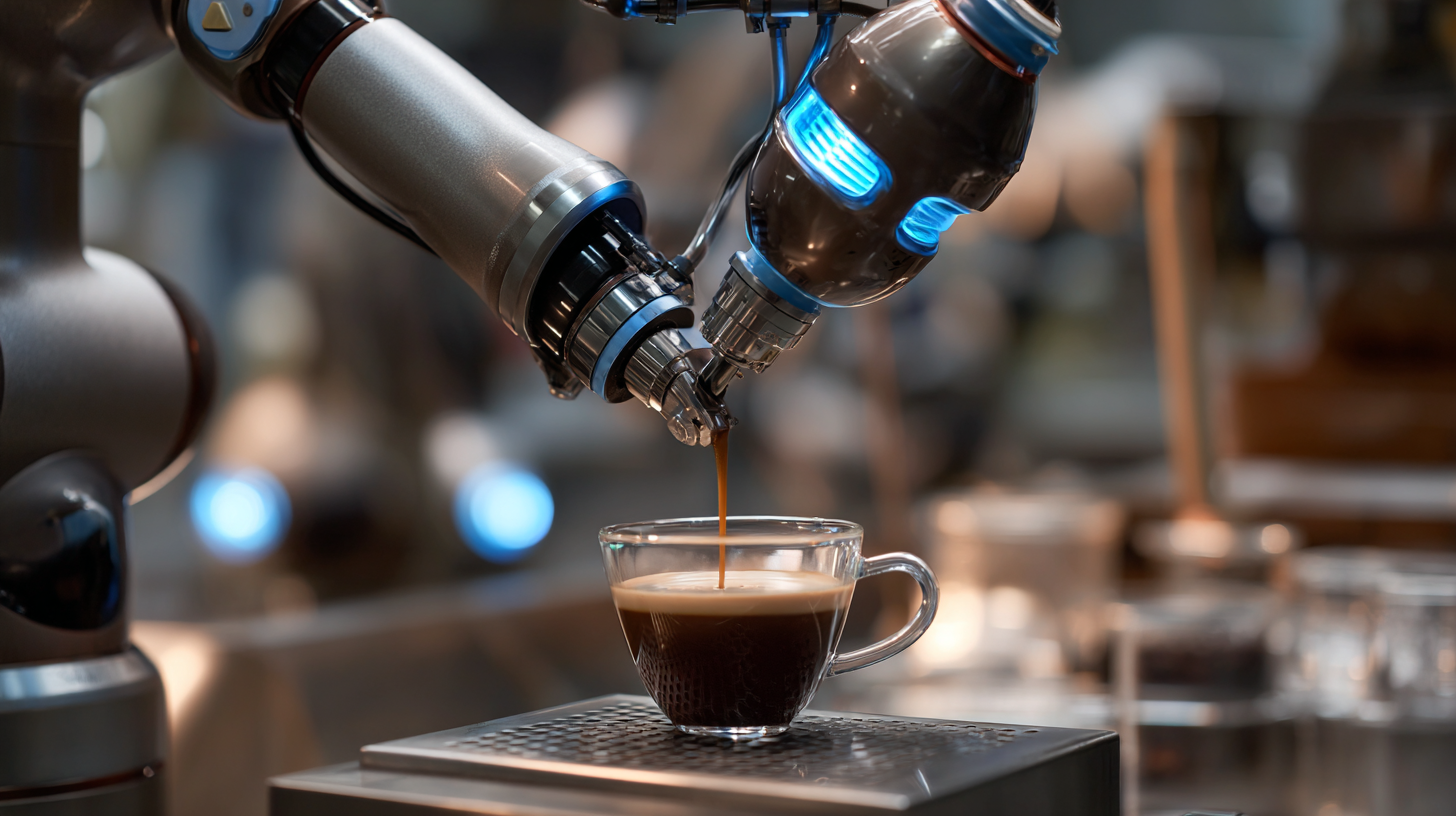
The Evolution of Coffee Robotics: A Technological Journey
The coffee industry has witnessed a remarkable evolution with the advent of coffee robotics, which has transformed the way we enjoy our daily brew. According to a report by Grand View Research, the global coffee machine market is expected to reach $10.62 billion by 2025, driven largely by advancements in robotics and automation. These innovations are not just enhancing efficiency but are also redefining the brewing process, allowing for precision and consistency that were once unattainable.
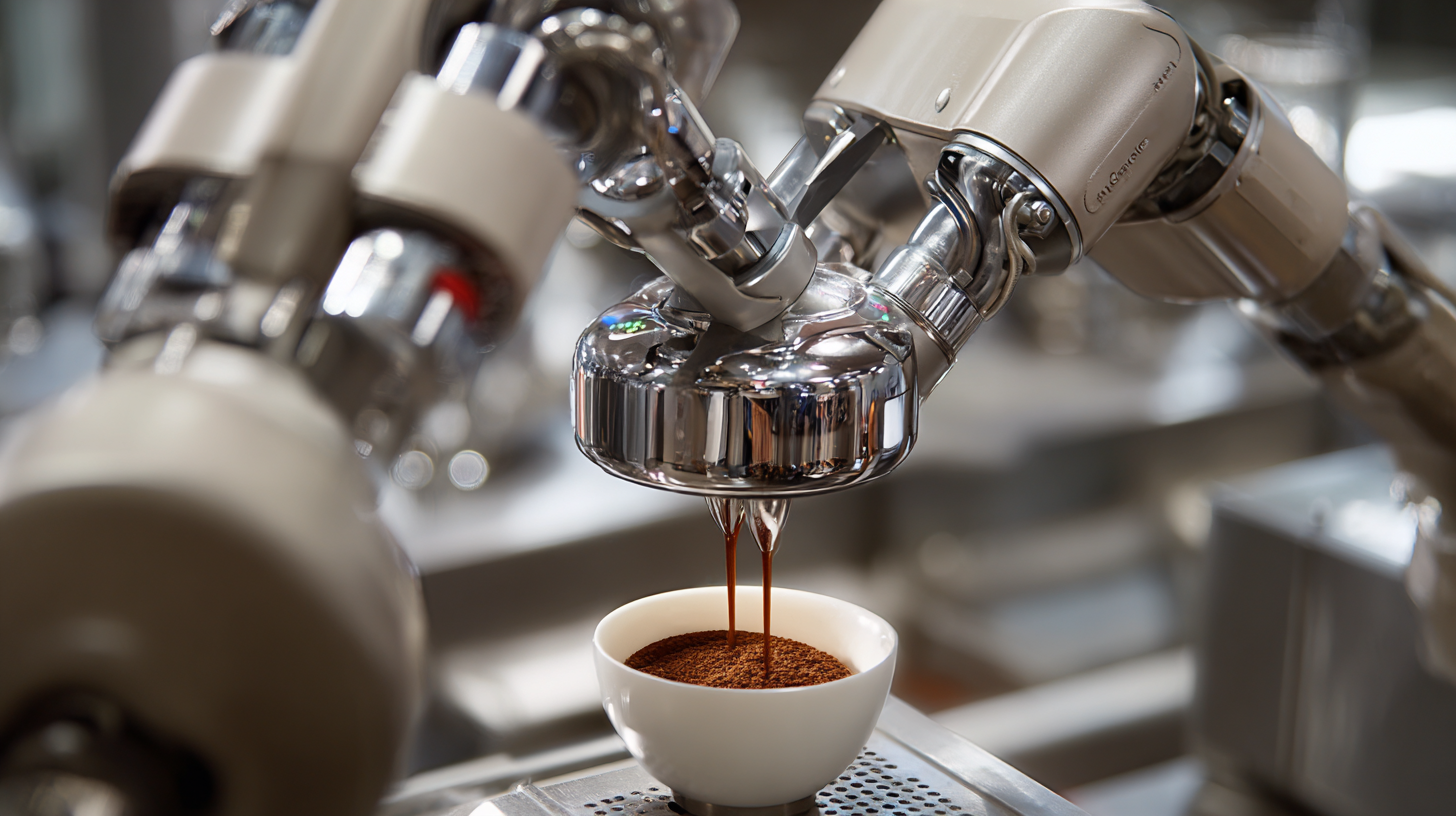
As robotics technology continues to develop, we see an increasing integration of artificial intelligence in coffee-making machines. A study published in the Journal of Food Engineering highlights that AI-driven coffee makers can adjust brewing parameters based on user preferences and environmental factors, such as humidity and temperature. This means that your morning cup can be customized to perfection, every single time. Furthermore, companies like Cafe X are leading the way, utilizing robotic arms for seamless coffee preparation, which not only speeds up service but also minimizes human error, improving overall beverage quality.
The impact of this technological journey is significant not only for consumers who benefit from enhanced flavors and personalized experiences but also for cafes and coffee shops looking to optimize operations. The shift toward automation is projected to increase productivity by up to 30% in some establishments, according to a report from Deloitte. This evolution in coffee robotics is shaping a future where enjoying a perfect cup of coffee becomes an effortless and delightful experience for all.
How Coffee Robots Enhance Brewing Precision and Consistency
Coffee robots are revolutionizing the way we brew our favorite beverage, bringing an unprecedented level of precision and consistency to the process. These advanced machines are equipped with sensors and algorithms that monitor various brewing parameters, such as temperature, grind size, and extraction time. This meticulous attention to detail ensures that each cup of coffee is crafted to perfection, allowing users to enjoy a consistently high-quality brew every time.
Moreover, coffee robots employ innovative brewing techniques that cater to individual preferences. By using programmable settings, users can adjust the strength, flavor notes, and brewing methods according to their taste. This level of customization not only enhances the overall coffee experience but also fosters a deeper appreciation for the nuances of different coffee beans. As technology continues to advance, the impact of coffee robots on daily brewing will only grow, making exceptional coffee accessible to everyone, whether at home or in a café setting.
The Role of AI and Machine Learning in Coffee Automation
The integration of artificial intelligence and machine learning into coffee automation is revolutionizing how we experience our daily brew. Recent developments highlight the emergence of AI-powered coffee roasters, which allow for precise control over roasting profiles, enhancing flavor consistency and quality. For example, the introduction of advanced roasting machines equipped with AI algorithms enables operators to optimize roasting parameters in real-time, leading to a more tailored flavor profile that caters to consumer preferences. This technological innovation is indicative of the broader trend toward data-driven approaches in coffee production.
In addition to roasting, robotic baristas are setting new standards for coffee preparation and service. These automated systems utilize AI and advanced manipulators to mimic human-like skills, providing a seamless coffee experience. Studies suggest that the implementation of such technologies could increase efficiency in coffee shops, reducing wait times and minimizing human error. Moreover, with the continuous advancements in robotics, these barista robots are becoming more adept at handling various aspects of the coffee-making process, including brewing methods and customized drink specifications. As this technology evolves, it promises to transform the coffee industry by enhancing both operational efficiency and consumer satisfaction.
The Environmental Impact of Coffee Robots on Sustainable Practices
The rise of coffee robots has significantly influenced sustainable practices within the coffee industry. A recent industry report indicates that automation in food processing, particularly with coffee production, has led to a notable reduction in water usage by around 30%. This advancement aligns with the increasing demand for eco-friendly operations as consumers continue to prioritize sustainability. By integrating robotics into the brewing process, companies are not only enhancing efficiency but are also minimizing their environmental footprint.
Moreover, the adoption of coffee robots is paving the way for innovative recycling methods. According to a survey from the Food Processing Technology Association, approximately 63% of coffee businesses are now investing in automated systems to improve waste management. By efficiently processing coffee grounds and other waste products, these robots are contributing to a circular economy model, which is essential for promoting sustainable practices in the food and beverage sector. This shift not only benefits the environment but also enhances brand loyalty among consumers who are increasingly aware of sustainability issues.
The Fascinating Science Behind Coffee Robots and Their Impact on Your Daily Brew - The Environmental Impact of Coffee Robots on Sustainable Practices
| Metric | Value |
| Average Daily Coffee Consumption (cups) | 2.5 |
| Reduction in Labor Costs (%) | 30 |
| Water Usage Reduction (%) | 25 |
| Energy Consumption Decrease (%) | 20 |
| Carbon Footprint Reduction (grams CO2 per cup) | 15 |
| Coffee Waste Reduction (%) | 40 |
| Increase in Locally Sourced Beans (%) | 15 |
Consumer Trends: How Coffee Robots Are Changing Daily Brewing Rituals
The rise of coffee robots has dramatically shifted consumer trends, making brewing both a science and an art form. According to a report by the National Coffee Association, over 60% of Americans now drink coffee daily, and a significant portion of this demographic is becoming increasingly curious about the technology behind their brews. As a result, coffee robots, equipped with advanced features such as precision brewing, app control, and customized settings, have entered kitchens across the nation, transforming how people engage with their daily rituals.
Consumers are particularly drawn to the convenience and consistency that these machines offer. A survey conducted by the Specialty Coffee Association revealed that 72% of coffee drinkers view automation as a way to enhance their brewing experience. Moreover, the younger generation, especially millennials and Gen Z, are leveraging social media to showcase their coffee creations, prompting a surge in the demand for sophisticated robotic brewers that can deliver barista-level coffee at home.
Tips: For those looking to upgrade their coffee experience, consider investing in a model that allows for customization. Machines that offer various brew strengths and temperature settings can cater to your personal taste. Additionally, explore coffee subscription services that recommend beans suited to your brewing style, enabling you to maximize your coffee robot's potential and discover new flavors.