Top Tips for Sourcing Quality 3D Printed Parts Globally?
The global market for 3D printed parts is experiencing rapid growth, with a projected value of $68.9 billion by 2026, according to a recent report by MarketsandMarkets. This rise highlights the increasing demand for custom and high-quality components across numerous industries, including aerospace, automotive, and healthcare. As businesses explore global sourcing options, ensuring the quality of 3D printed parts remains paramount.
Sourcing these parts can be challenging due to varying standards and regulations across regions. Companies often face the dilemma of balancing cost with quality. A study by Wohlers Associates indicates that 53% of companies regard quality assurance as a major barrier in their 3D printing journey. Achieving a reliable supply chain necessitates a clear understanding of global manufacturing capabilities, material selection, and technological advancements.
Additionally, continuous quality control measures are essential to mitigate risks. Engaging with experienced suppliers who adhere to rigorous standards can make a significant difference. By leveraging real-time data and feedback, businesses can improve their processes and enhance the quality of the printed components. Companies must constantly reflect on their sourcing strategies to remain competitive in this evolving landscape.

Understanding the Global Landscape of 3D Printing Supply Chains
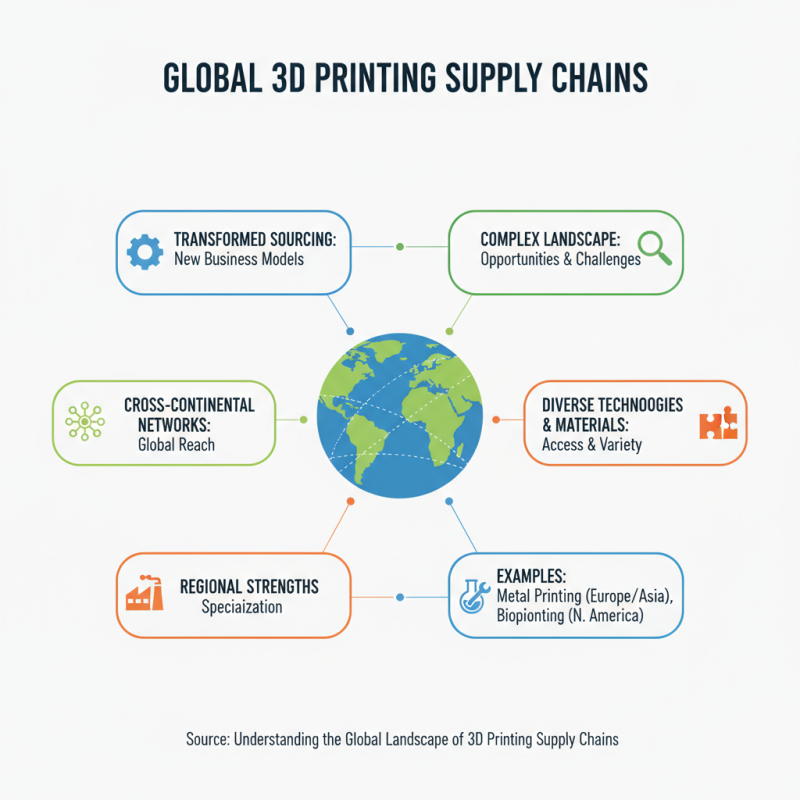
In today's global marketplace, 3D printing has transformed the way businesses source parts. Understanding the landscape is crucial. Supply chains now span continents. This diversity offers both opportunities and challenges. A robust global network means access to various technologies and materials. Each region has unique strengths. For instance, some excel in metal printing, while others focus on bioprinting.
However, navigating these complexities can be daunting. Quality control is essential. Subpar parts can result in costly delays. It's vital to establish clear communication with suppliers. Time zone differences may create misunderstandings. On-site inspections can enhance trust. Relying solely on digital communication may overlook critical details.
Additionally, always consider logistics. Shipping times and costs can vary significantly. Some regions may have slower delivery times due to infrastructure issues. Emphasizing local partnerships may mitigate these risks. In a world where speed is crucial, sourcing locally can be a game changer. Yet, this strategy requires a willingness to compromise on material options or production techniques. Balancing quality, cost, and speed remains a continuous challenge for businesses engaged in global sourcing.
Evaluating Quality Standards for 3D Printed Parts Across Regions
Evaluating quality standards for 3D printed parts across different regions is crucial for successful sourcing. Globally, the 3D printing industry is projected to grow to $34.8 billion by 2024, according to a recent market report. Different regions exhibit varying quality standards, influenced by regulatory frameworks, technological advancements, and local manufacturing practices. Understanding these dynamics can greatly impact the performance and longevity of printed parts.
Regional quality standards often differ significantly. For instance, Europe typically upholds stricter regulations compared to North America and Asia. A study by the ISO reveals that up to 40% of parts fail to meet quality requirements due to insufficient compliance with regional standards. This underscores the importance of conducting thorough evaluations.
Tips for ensuring quality include conducting factory audits. Checking for certifications can reveal a lot about a manufacturer’s capabilities. Also, request samples before placing large orders; this can prevent costly mistakes. Communicating clearly about specifications helps clarify expectations. Collaboration with local experts can also enhance understanding of regional norms and practices, ultimately improving the sourcing process.
Key Factors in Selecting Reliable 3D Printing Service Providers
When selecting reliable 3D printing service providers, several key factors come into play. Experience is essential. According to a 2022 industry report, 72% of successful projects involved providers with over five years in the field. This suggests that seasoned suppliers tend to deliver better results. Reviewing a provider's portfolio can provide insights into their capabilities. Look for diversity in projects and materials. A varied portfolio reflects flexibility and expertise in handling different requirements.
Quality control is another critical aspect. A study by the Additive Manufacturing Association highlighted that 68% of companies experienced issues due to inconsistent part quality. Providers should have established quality assurance processes. Ask for certifications, such as ISO standards, which signify adherence to industry norms. This can often save you from costly mistakes later.
Communication can make or break a project. According to feedback from 500 industry players, 78% rated clear communication as a top priority. Working with a provider who listens and understands your needs is crucial. If you notice hesitation in their responses or lack of clarity, consider it a red flag. The right provider should prioritize transparency throughout the process. This builds trust and ensures that your expectations align.
Leveraging Technology for Effective 3D Printed Parts Sourcing
Effective sourcing of 3D printed parts globally requires leveraging modern technologies. The market for 3D printing is projected to reach $55.8 billion by 2027. This growth fosters a competitive environment for consumers and suppliers alike. Businesses should utilize advanced software for design analysis and optimization. Accelerated prototyping capabilities can reveal potential flaws early, saving costs.
Digital manufacturing platforms enable real-time collaboration across borders. By harnessing cloud-based solutions, teams can seamlessly share designs. A survey indicated 43% of companies faced challenges in collaboration when sourcing internationally. This highlights the need for effective communication tools.
Despite growth, some areas remain unoptimized. Many companies struggle with quality assurance when selecting suppliers. A report documented that around 36% of firms reported inconsistencies in parts quality. Institutions can implement standardized benchmarks to mitigate these issues. Ensuring that suppliers meet specific criteria can enhance reliability.
Analyzing Cost Implications of Sourcing 3D Printed Components Globally
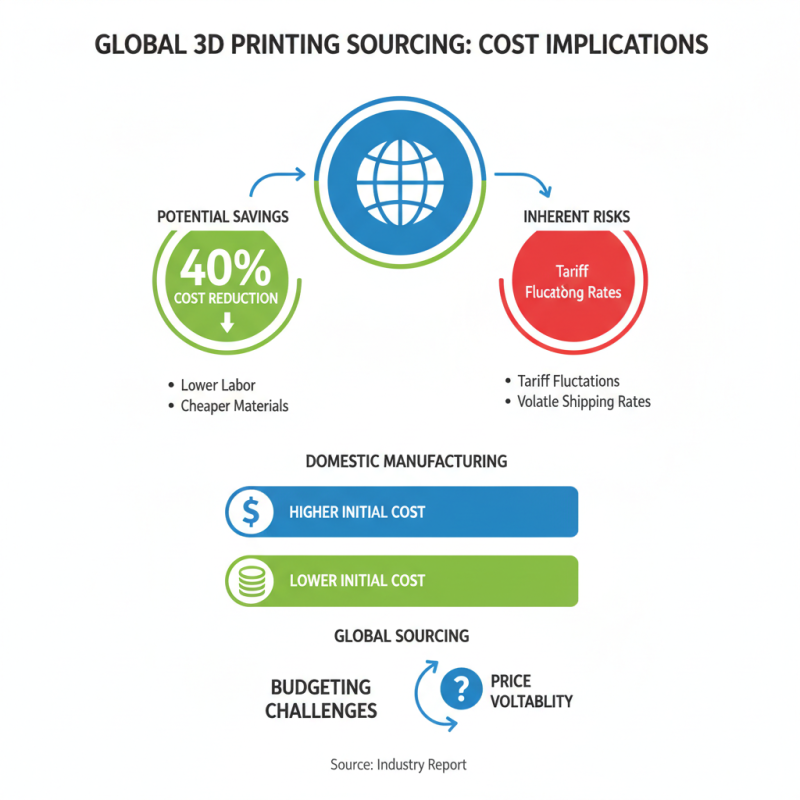
Sourcing 3D printed components globally can significantly impact costs. According to a recent industry report, companies can see up to a 40% reduction in manufacturing costs by outsourcing 3D printing. This comes from lower labor charges and material costs in developing regions. However, international sourcing brings inherent risks. Prices may fluctuate due to changes in tariffs and shipping rates, making budgeting challenging.
Quality is another crucial factor. Many manufacturers excel in 3D printing but fail in quality control. A study showed that more than 30% of companies received subpar parts when sourcing from unfamiliar suppliers. This can lead to costly delays and reprints. Due diligence in supplier selection is vital. Companies often overlook the importance of certifications and standards, which can ensure consistency and quality.
Shipping times can also create hidden costs. The average lead time for international shipping can range from a few days to several weeks. Delays may lead to increased inventory holding costs. Businesses may need to consider local suppliers to mitigate this issue, even if it means higher upfront costs. Balancing cost savings with reliability and quality is key in the global 3D printing landscape.