Top 2026 3D Printing Materials for Global Buyers Guide?
In the evolving world of manufacturing, 3D printing materials play a crucial role. The demand for various materials has surged. Businesses and innovators are eager to explore options that offer strength, flexibility, and sustainability. Each material type has unique properties and applications, impacting the overall design and functionality of projects.
Identifying the right 3D printing materials can be challenging. Buyers often face overwhelming choices. This guide aims to simplify that selection process, highlighting top materials for diverse needs. From standard plastics to advanced composites, each material serves a specific purpose. However, understanding their characteristics is essential for optimal use.
Not all materials are perfect for every application. It's vital to consider both advantages and limitations. The wrong choice can lead to product failures or inefficiencies. This guide will provide insights to navigate these complexities, ensuring informed decisions. Ultimately, embracing the right 3D printing materials can drive innovation and success in various industries.
Overview of 3D Printing Materials in 2026
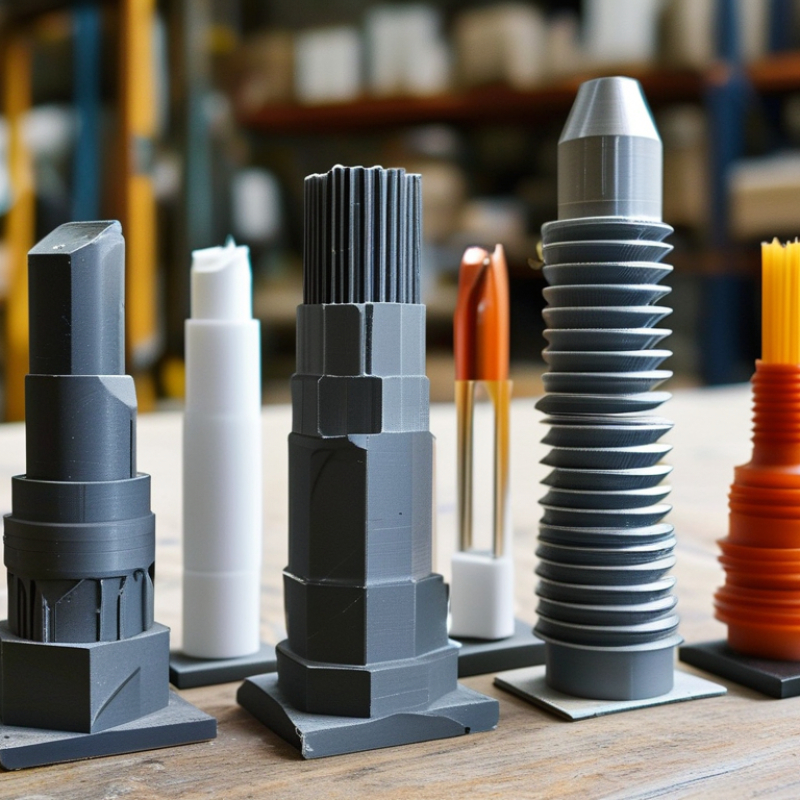
In 2026, the landscape of 3D printing materials is diverse and evolving. Industry reports indicate a steady growth in demand for materials such as thermoplastics, metals, and bio-based substances. According to a recent market study by Wohlers Associates, the global 3D printing materials market could reach $9.25 billion by 2026. This reflects increased adoption across sectors like aerospace, automotive, and healthcare.
Thermoplastic materials like PLA and ABS remain at the forefront. They are user-friendly, offering strength and adaptability. Meanwhile, metal powders are gaining traction in high-precision applications. A study showed that metal 3D printing could account for 25% of the market. Bio-materials also show promise, especially in medical applications. Biodegradable options provide sustainable choices, aligning with global environmental goals.
However, challenges persist. Material strength and printing speed can be inconsistent. Not all materials are suitable for every application, leading to trial-and-error approaches during development. As the industry progresses, the need for standardization and quality assurance becomes crucial. Innovators must be aware of these hurdles while pushing boundaries in 3D material science.
Key Properties of Popular 3D Printing Materials
The world of 3D printing is rapidly evolving, and the materials used play a critical role in determining the capabilities and outcomes of your projects. Popular materials like PLA, ABS, and PETG have distinct properties that cater to various applications. PLA is known for its ease of use and eco-friendliness but can be brittle. ABS, on the other hand, offers superior strength and durability but is more challenging to print due to warping issues. PETG combines the best of both worlds, providing strong, flexible parts with good layer adhesion yet lacking in heat resistance.
When choosing materials, consider their temperature resistance, strength, and flexibility. This can significantly impact performance, especially in functional prototypes or end-use parts. For example, nylon is often prized for its durability and high tensile strength, but it can be challenging to print. On the flip side, TPU is excellent for creating flexible prints but may require careful tuning of print settings to achieve optimal results. Understanding these properties allows for better decision-making, ultimately leading to more successful 3D printing endeavors.
Top 2026 3D Printing Materials for Global Buyers Guide
| Material Type |
Key Properties |
Applications |
Temperature Resistance (°C) |
Density (g/cm³) |
| PLA |
Biodegradable, easy to print |
Prototyping, educational models |
60-70 |
1.24 |
| ABS |
Durable, impact-resistant |
Functional prototypes, toys |
90-100 |
1.04 |
| PETG |
Strong, chemical-resistant |
Food containers, mechanical parts |
70-80 |
1.27 |
| Nylon |
Flexible, strong |
Gear, functional parts |
80-90 |
1.13 |
| TPU |
Flexible, elastic |
Wearable, phone cases |
60-80 |
1.20 |
Comparison of Biodegradable vs. Traditional 3D Printing Filaments
The debate between biodegradable and traditional 3D printing filaments is prevailing among manufacturers. According to a 2022 report by Smithers Pira, the global market for biodegradable 3D printing materials is expected to reach $250 million by 2026. This data reflects a growing preference for materials that align with sustainable practices. Biodegradable filaments, like PLA and TPU, are derived from renewable resources. They generally break down more efficiently in industrial composting conditions compared to their traditional counterparts.
Traditional filaments, such as ABS and PETG, offer strength and durability. However, they pose a significant environmental challenge. Studies show that traditional plastics can take hundreds of years to decompose. This reality raises important questions about waste management for 3D printed objects. While traditional materials can yield high-quality prints, the long-term implications demand careful consideration. A balance of performance and sustainability is crucial.
Selecting the right filament involves trade-offs. Eco-conscious buyers may favor biodegradable options, while industrial applications may prioritize strength and temperature resistance found in traditional filaments. Designers must weigh these factors carefully. The industry still grapples with bioplastics’ limitations, such as higher costs and varying performance characteristics. Awareness and education about these materials are vital for responsible 3D printing practices moving forward.
Advancements in High-Performance 3D Printing Materials
High-performance 3D printing materials are at the forefront of innovation. These materials offer unique properties that enhance the capabilities of 3D printing, pushing the boundaries of what can be created. Advanced polymers, composites, and metals are being developed to meet the specific needs of various industries. For instance, lightweight yet strong materials are crucial for aerospace applications. They must withstand extreme conditions while maintaining structural integrity.
The exploration of biocompatible materials is also significant. This area focuses on using 3D printing for medical applications. Here, the goal is to create implants and prosthetics tailored to individual patients. However, challenges remain. Biocompatibility must be rigorously tested to ensure safety and effectiveness. Manufacturers are continuously refining these materials, looking to improve performance and reliability.
Environmental concerns are becoming more important as well. The quest for sustainable materials is underway. Biodegradable and recycled options are gaining traction. These efforts reflect a growing awareness of the environmental impact of 3D printing. Challenges in material sourcing and consistency can hinder progress. This evolving landscape requires ongoing research and adaptation to meet diverse market demands.
Advancements in High-Performance 3D Printing Materials (2026)
Market Trends Influencing 3D Printing Material Selection
The landscape of 3D printing materials is rapidly evolving. As businesses aim for innovation, market trends heavily influence material selection. In recent years, data from industry reports indicate that the global 3D printing market is projected to reach $36.6 billion by 2026. Companies must adapt to this trend, selecting materials that align with diverse applications.
Sustainability is a driving force. A 2022 study revealed that 70% of manufacturers prioritize eco-friendly materials in their projects. This shift to sustainable options is crucial. However, many companies struggle to balance performance and environmental impact. In pursuit of innovation, they often encounter trade-offs. For example, while biodegradable materials are appealing, they may not provide the same structural integrity as traditional options.
The rise of customized solutions is another key trend. Businesses increasingly seek tailor-made 3D printing materials for specific applications. A report indicated that more than 50% of 3D printing professionals seek customized materials to enhance performance. However, developing these customized solutions poses challenges. It requires extensive knowledge and resources, often leading to increased costs and longer lead times. This reality forces companies to carefully evaluate their material selections against their unique needs and budget constraints.