
Why Choose Nylon Filament for 3D Printing?
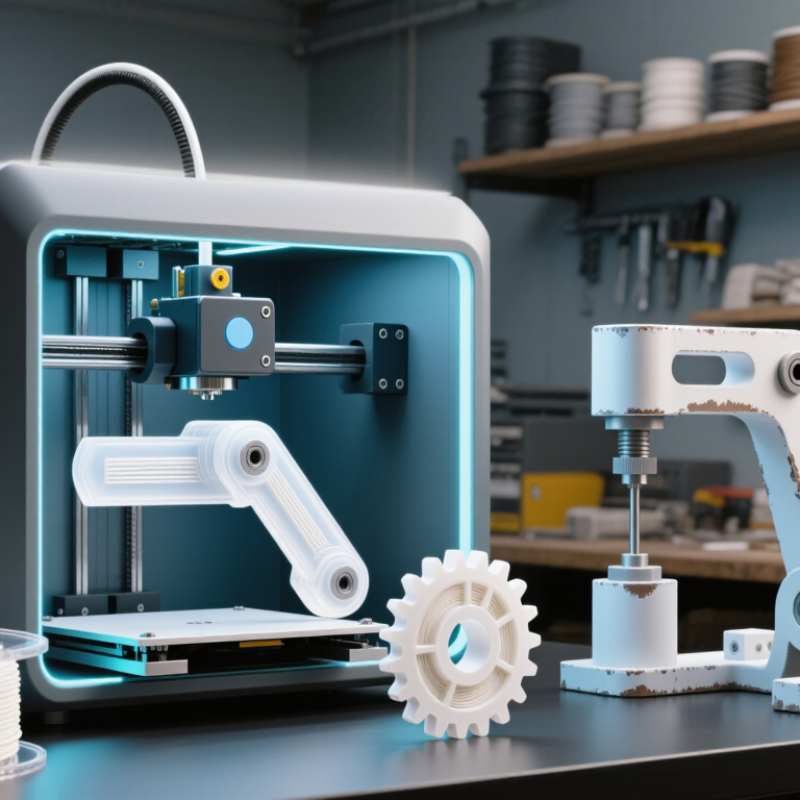
Why Choose Nylon Filament for 3D Printing? The answer is practical: Nylon Filament can produce durable parts that handle repeated movement, impact, and abrasion. Picture a hinge flexing through hundreds of cycles, or a small gear rubbing against its mate. Many nylon grades balance toughness and flexibility better than brittle plastics. Results still depend on the specific grade, printer, and part design.
Joshua M. Pearce is a recognized researcher in 3D printing and additive manufacturing. The sentence below is an editorial takeaway, not a verified quotation from him: “Choose a material for the job, then validate it on the printer.” That distinction matters. Nylon is hygroscopic, so a spool left open may absorb moisture and produce rough surfaces, popping sounds, or inconsistent extrusion. Drying it as the manufacturer directs can make a visible difference.
This guide examines nylon’s useful properties, common applications, printing demands, and limitations. A functional bracket may benefit from nylon’s toughness, while a display model may not need its extra care requirements. Bed adhesion, warping, and temperature settings deserve attention, and recommended settings vary by filament grade. An enclosure can help with some prints, but it does not solve every problem. Nylon is not effortless. That is worth admitting. With dry filament, suitable settings, and careful testing, makers can judge whether its performance justifies the additional preparation.
What Nylon Filament Is and How It Works
Nylon filament is a family of polyamide plastics, not one uniform material. Common 3D-printing grades include PA6 and PA12, with different strength, flexibility, and moisture behavior. In a printer, a heated nozzle softens the filament and lays down thin tracks. Those tracks cool and bond into a solid part. The bond depends on temperature, speed, and airflow.
The CAMPUS plastics database lists dry, unfilled PA6 with a tensile modulus near 2.8 GPa; grade and test conditions affect the result. That figure describes a material sample, not a guaranteed printed-part value. Layer direction and print settings matter. So does water. ASTM D570 provides a standard method for measuring plastic water absorption, a relevant concern because nylon absorbs moisture from air.
A damp spool can hiss, form tiny bubbles, and leave a rough, inconsistent surface. Drying it according to the filament maker’s technical instructions often improves extrusion. Store it sealed afterward. Simple, but easy to neglect. Nylon can produce tough, useful parts, yet its behavior is less forgiving than many beginners expect. Even a clean-looking print may have weaker layer bonds, so test parts under their real load before relying on them.
Why Choose Nylon Filament for 3D Printing? - What Nylon Filament Is and How It Works
| Dimension | What Nylon Is or Does | Practical Printing Guidance |
|---|---|---|
| Material type | Nylon is the common name for a family of polyamide thermoplastics. Filament grades differ in composition and properties; common 3D-printing types include PA6, PA12, and copolyamides. | Check the specific filament’s technical data sheet and recommended settings rather than assuming all nylon prints alike. |
| Strength and toughness | Many nylon grades combine good tensile strength with impact resistance and toughness, making them useful for functional parts that experience repeated handling or loading. | Use suitable wall thickness and print orientation. Strength can vary with grade, moisture, layer bonding, and part design. |
| Flexibility and wear | Nylon can be less brittle than many rigid plastics and often has useful abrasion and wear resistance. The amount of flexibility depends on the particular grade and part geometry. | Consider it for clips, hinges, gears, bushings, and other moving or wear-prone parts, after testing the part under its intended conditions. |
| Moisture absorption | Nylon absorbs moisture from the air. Wet filament can produce popping, bubbles, rough surfaces, inconsistent extrusion, and weaker or less predictable prints. | Dry filament according to its manufacturer’s instructions and store it in a sealed, low-humidity container. A desiccant helps with storage but does not reliably dry already-wet filament. |
| Drying conditions | Drying temperature and time depend on the nylon type, filament diameter, spool material, and drying equipment. Excessive heat can deform a spool or damage filament. | Follow the filament supplier’s drying guidance and use a temperature-controlled dryer. Avoid relying on one universal time or temperature for every nylon product. |
| Nozzle temperature | Nylon typically requires a hotter nozzle than many entry-level printing plastics, but the suitable range varies by formulation. | Start within the temperature range specified for the filament, then adjust in small steps while checking layer bonding, surface quality, and stringing. |
| Build surface and bed | Nylon can shrink as it cools, which may cause corners to lift or parts to warp. Adhesion depends on the surface, grade, and print setup. | Use a build surface and adhesive method compatible with the specific nylon and printer. A heated bed may help; follow the filament and printer guidance. |
| Enclosure and airflow | Stable ambient conditions can reduce drafts and uneven cooling, both of which may contribute to warping on larger nylon parts. | An enclosure can help maintain consistent conditions. Use appropriate ventilation and follow the printer manufacturer’s safety recommendations. |
| Chemical resistance | Resistance to oils, fuels, solvents, and other chemicals varies by nylon grade and by the chemical, temperature, and exposure time. | For parts exposed to chemicals, verify compatibility using grade-specific data or testing; do not treat “nylon” as a guarantee of resistance. |
| Typical applications | Depending on the grade and design, nylon filament can suit functional prototypes, brackets, jigs, enclosures, gears, clips, and other durable components. | Choose the grade based on the part’s loads, temperature, moisture exposure, dimensional requirements, and operating environment. |
| Best reason to choose it | Nylon is worth considering when a part needs a useful balance of toughness, wear resistance, and functional performance. | It is most suitable when the printer can reach the required temperatures and the user can manage drying, adhesion, and warping control. |
Note: The descriptions are general guidance. Nylon properties and recommended settings vary by grade and manufacturer; consult the filament’s technical data sheet before printing.
Related Posts
-
What Is the Best Nylon Filament for 2026?
-
2026 Best Industrial 3D Printer for Global Buyers?
-

How to Choose 3D Printing Materials in 2026?
-
7 Essential Tips for Choosing the Best Large Format 3D Printer for Your Business
-
Finding Reliable Vendors for Large 3D Printers to Boost Your Manufacturing Efficiency
-

Top 10 Professional 3D Printers for Quality and Precision in 2023